-

Dzharylgach Island, Lemuria and Henichesk lakes
Dzharylgach is the largest island in Ukraine and the Black Sea. On the island there are passable bogs covered with meadow vegetation, with many salt lakes. The Henichesk lake is located in the north of the Arabat Spit and is separated from the Sivash Bay; red and green algae are widespread in the water. -
Homyak muntain, Dovbush rocks
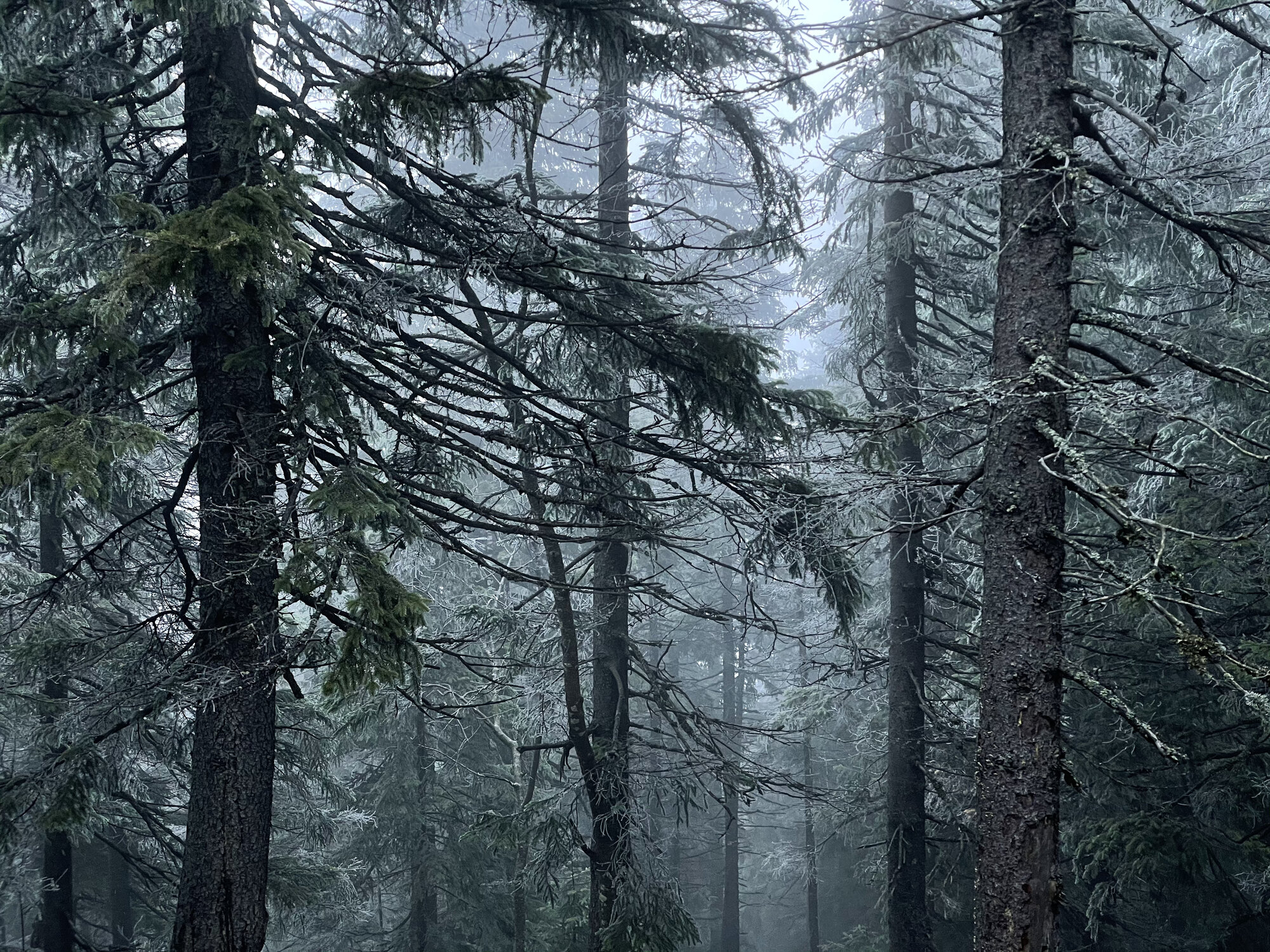
Mount Khomyak is located on the Gorgan ridges. They got this name because they are covered with stone placers called "Gorgi". Dovbush rock-cave complex, up to 80 m high, formed more than 70 million years ago at the bottom of the Paleogene sea. -

Rebrovach and Dil Mountains
The ridge stretches from northwest to southeast in the interfluve of the Prut River and its right tributary Pigi, as well as in the interfluve of the Krivets stream and the Ilets river. The slopes of the massif are smoothed, covered with spruce forest with an admixture of fir, beech and birch. Large areas are occupied by mountain meadows. -

Cueva Tallada, Cabo de San Antonio
Cape Sant Antoni is part of the Montgó Natural Park. In the 16th century, the hermits chose it as a place of recollection, founding the Hermitage of San Antonio, which, in the end, gave its name to the cape. Cova Tallada. A huge cave dug out of Cape San Antonio that for hundreds of years served as a quarry for the stone used to construct historic buildings such as Denia Castle. -
Praia de Carnot, San Andrés de Teixido
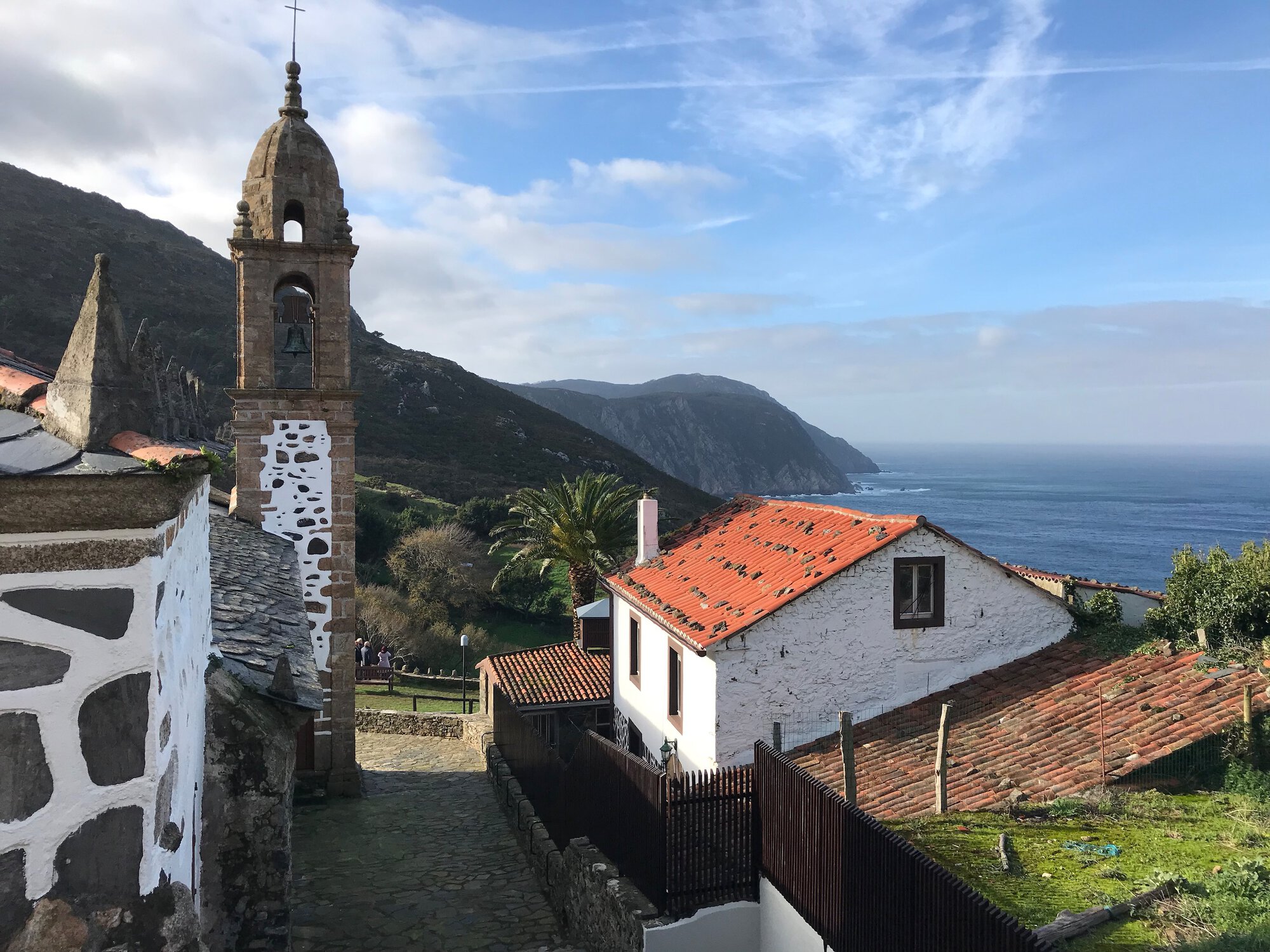
7km long Praia de Carnota beach in the shape of a crescent with dunes, swamps and spilled plant species. San Andrés de Teixido is a famous pilgrimage site that you must visit dead or alive and the tallest cliffs in Europe. -
Costa da Morte, Ezaro, Santiago de Compostela
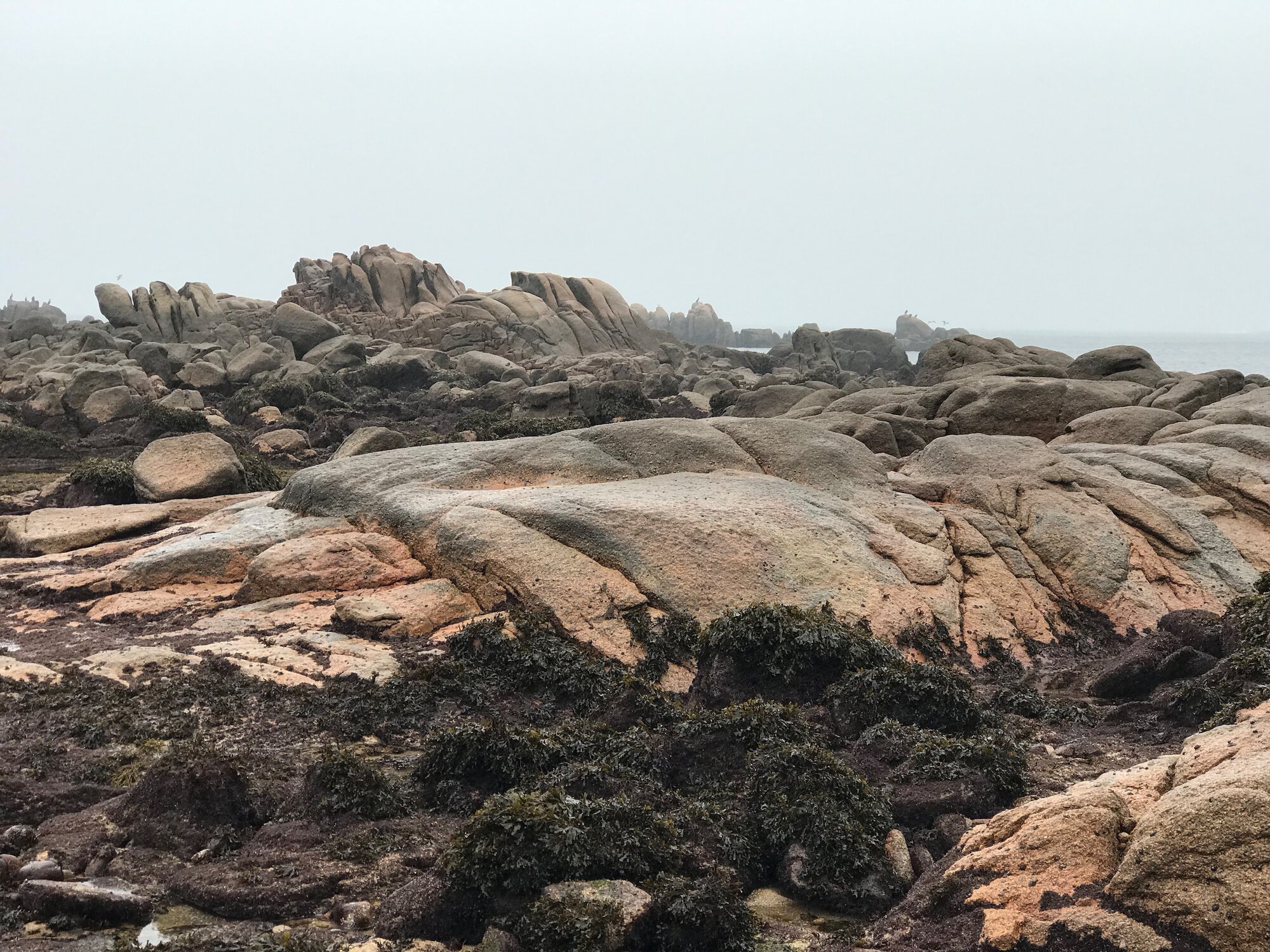
Costa da Morte got its name because there were many shipwrecks along its treacherous rocky coastline. For a long time, it was believed that this is the end of the world and the exit to the afterlife. Ezaro, one of the most beautiful waterfalls in Spain, 40 meters high, flows from the Encoro de Santa Uxía reservoir. Santiago de Compostela city from the early Middle Ages is the third shrine of the Catholic world (after Jerusalem and Rome) -
Vimianzo, Torre de Hércules, Praia de Vilarrube
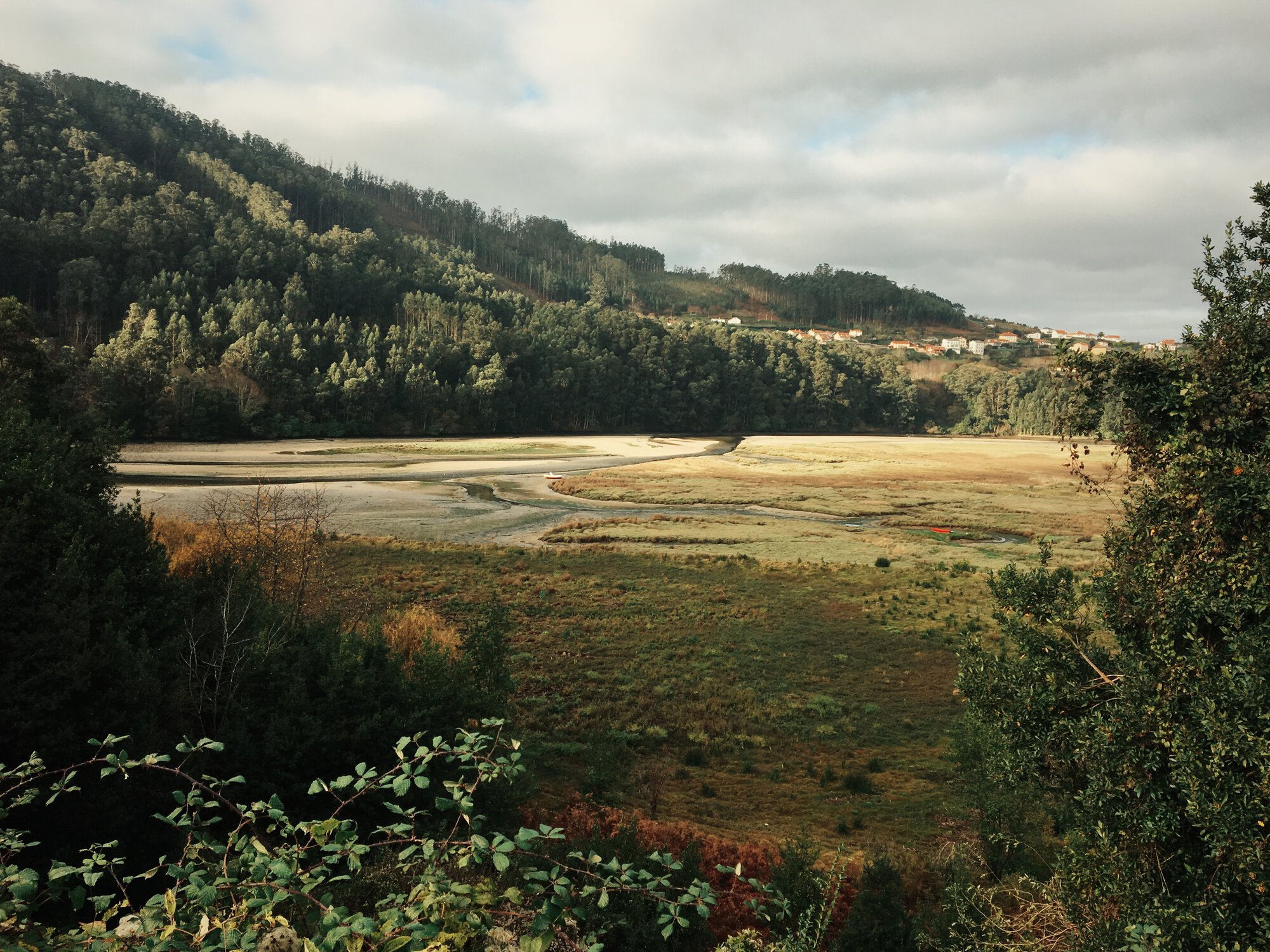
Torre de Hércules current lighthouse was built during the Roman Empire and is considered the oldest lighthouse in the world. Vimianzo stands out as one of the places with the highest concentration of dolmens and mounds in all of Galicia. Praia de Vilarrube is a vast sandy area with two rivers along the edges.


